Kancharla et al. v. Federal National Mortgage Association (Fannie Mae )
Ken Carroll
DC Bar No. 347435
Texas Bar No. 03888500
kcarroll@ccsb.com
Carrington, Coleman,
Sloman & Blumenthal, LLP
901 Main Street, Suite 5500
Dallas, Texas 75202
(214) 855-3000 – Phone
(214) 580-2641 – Fax
/s/ Angelina LaPenotiere
Angelina LaPenotiere
(Admitted Pro Hac Vice)
TX Bar No. 24007530
angelina_lapenotiere@fanniemae.com
Granite Park VII
5600 Granite Park
Plano, Texas 75024
(972) 656-8033 – Phone
Attorneys for Defendant Federal
National Mortgage Association
(“Fannie Mae”)
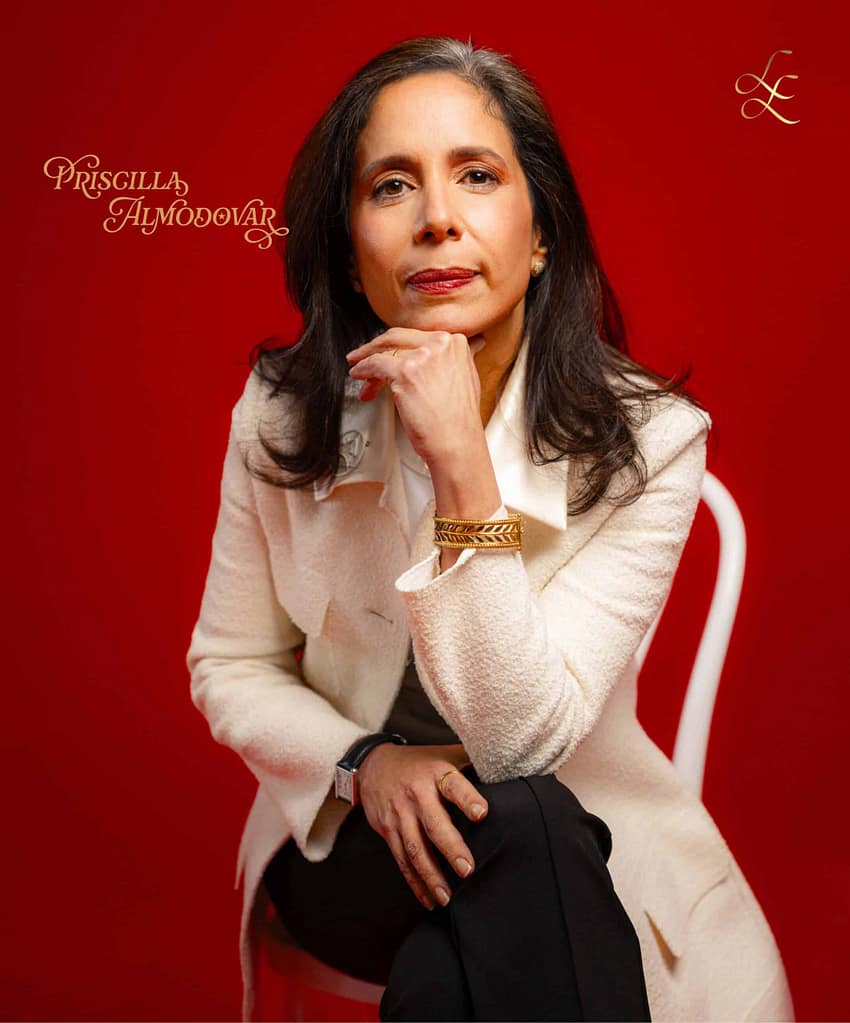
Priscilla Almodovar to appear as a witness for Americans Against Foreclosures ( AAF ), in related federal discrimination lawsuit (filed July 21, 2025, in the U.S. District Court for the District of Columbia by overlapping plaintiffs alleging national origin and age discrimination) has the publicly reported case number: 1:25-cv-02346.
Overview of Priscilla Almodovar and Americans Against Foreclosures (AAF)
Based on available information, Priscilla Almodovar appears to be an individual associated with advocacy efforts against unlawful foreclosures in the United States, particularly in the context of the ongoing housing crisis involving entities like Fannie Mae.
She is scheduled to appear as a witness on behalf of Americans Against Foreclosures (AAF), a grassroots organization dedicated to supporting homeowners facing foreclosure and eviction.
However, specific details such as the exact date, location, or nature of the proceedings (e.g., congressional hearing, court testimony, grand jury, or public forum) are not elaborated in public sources yet as of December 12, 2025.
AXJ.NEWS is part of the AXJ New York Global News Network (AXJ), an independent media outlet focused on civil rights, political accountability, and foreclosure-related issues. It explicitly states: “Priscilla Almodovar is set to appear as a witness for Americans Against Foreclosures (AAF).” No further context, such as event logistics or Almodovar’s background, is provided on the page itself.
Who is Priscilla Almodovar?
- Limited public details are available about Almodovar personally. She does not appear prominently in mainstream media or recent X (formerly Twitter) discussions related to AAF.
- Her role seems tied to foreclosure advocacy, potentially as a homeowner affected by the crisis or a community organizer. Searches across web sources and X yield no biographical profiles, interviews, or prior testimonies directly linked to her name in this context.
- If this refers to a different individual (e.g., a misspelling or variant of a known figure like actress Phoebe Cates’ mother or others with similar names), no connections to AAF were found.
About Americans Against Foreclosures (AAF)AAF is a member-driven advocacy group claiming to assist up to 50 million American homeowners impacted by unlawful foreclosures and evictions since the 2008 financial crisis. Key aspects include:
| Aspect | Details |
|---|---|
| Mission | Provide informational and educational resources to fight foreclosures; seek compensation for victims through government channels; oppose “zombie mortgages” (revived invalid debts) and judicial biases in foreclosure cases. |
| Activities | – Subpoena strategies to challenge lenders (e.g., demanding original notes in court). – Databases for tracking unlawful foreclosures and aiding class-action suits. – Partnerships with groups like Actions for Justice (AXJ) to investigate alleged judicial corruption in foreclosure rulings. – Calls for donations to fund independent attorneys and paralegals. |
| Key Claims | – Over 20 million homes foreclosed unlawfully since 2008. – Accusations of judges with financial ties to banks influencing outcomes. – Emergency orders from attorneys general barring conflicted judges from ruling on cases. |
| Online Presence | – Main site: aafmembers.net – Radio/Podcast: aafradio.com (features discussions on stopping foreclosures). – Social: Facebook group facebook.com for member support. – Affiliated: AXJ network sites like axj.nu for case updates and donations. |
| Notable Mentions | – 2019 blog post on Deadly Clear highlighting AAF’s alliance with AXJ to probe “judges on the take.” – Recent cases on axj.nu/cases include homeowner stories of fraud, evictions, and successful interventions (e.g., preventing sales via legal aid). |
AAF emphasizes First Amendment protections for its content and operates as a non-profit-like entity, though it solicits memberships and donations aggressively. It positions itself as a counter to banks and government inaction on securitization failures and derivatives-laden mortgages.
Connection to Fannie Mae
- The link’s “/fanniemae/” path suggests a focus on the Federal National Mortgage Association (Fannie Mae), a government-sponsored enterprise central to the U.S. housing market.
- AAF frequently critiques Fannie Mae in broader narratives about systemic foreclosure abuses, including “unlawful” sales of distressed properties. However, no specific Almodovar-Fannie Mae testimony details were found.
- In the 2008 crisis context, Fannie Mae backed millions of subprime loans that led to widespread defaults. AAF’s work aligns with ongoing lawsuits and audits targeting such entities for compensation.
Current Status and Next Steps
- As of December 12, 2025, no updates on Almodovar’s testimony (e.g., if it has occurred) appear in searches. It may be an upcoming event tied to AAF’s push for federal investigations into foreclosures.
- No related discussions were found on X, indicating this may be niche or emerging news.
- For real-time developments, monitor AAF’s sites or AXJ channels. If you’re involved or seeking participation, AAF encourages membership subscriptions starting at their sites.
Fannie Mae’s Direct and Indirect Role in the Zombie Mortgage/Deed-of-Trust Crisis
Fannie Mae (Federal National Mortgage Association) is one of the largest single contributors to the current wave of “zombie” second mortgages and junior liens that are coming back to life in 2024–2025. Here is exactly how Fannie Mae is involved, broken down by mechanism:
| # | How Fannie Mae Creates or Fuels Zombie Debts | Details & Evidence |
|---|---|---|
| 1 | Fannie Mae owns millions of charged-off second liens and HELOCs | Between 2008 and 2015, when banks failed or wrote off second mortgages, Fannie Mae acquired huge portfolios of these junior liens (either because Fannie owned the first mortgage and took the second in foreclosure, or because Fannie bought whole failed-bank portfolios from the FDIC). Many of these seconds were charged off to $0 on the borrower’s credit report and sat dormant for 10–18 years. |
| 2 | Fannie Mae sells these old charged-off seconds to debt buyers | Starting around 2016–2017 and accelerating 2021–2025, Fannie Mae has been selling pools of these ancient, charged-off second liens and HELOCs in bulk auctions to hedge funds and debt buyers for 1–8 cents on the dollar. Buyers include firms like MV Realty, Bayview Asset Management, Lone Star Funds, and dozens of smaller LLCs. Fannie’s own “Non-Performing Loan Sales” program explicitly includes second liens. |
| 3 | Fannie Mae sometimes keeps the lien but outsources servicing/collection | In many cases Fannie retains legal ownership but hires servicers (e.g., Select Portfolio Servicing – SPS, or specialized “high-risk” units) to revive collection or foreclosure. This is why homeowners suddenly get letters from SPS or obscure entities saying “Fannie Mae is the owner” of a 2006 HELOC they haven’t paid since 2008. |
| 4 | Fannie Mae denies ownership in court when convenient, then re-asserts it later | A common defense tactic in California, New York, Florida, etc.: When sued for quiet title or wrongful foreclosure, Fannie Mae files a declaration saying “We have no interest in this property” to get dismissed from the case. Years later the same lien resurfaces under a new debt buyer or servicer claiming Fannie is still the owner. Advocacy groups (AAF, AXJ) call this the “Fannie Mae two-step” fraud on the court. |
| 5 | Fannie Mae’s guidelines encourage revival instead of release | Internal Fannie Mae Servicing Guide (2023–2025 editions) tells servicers they may (and in some cases must) pursue collection or foreclosure on charged-off seconds once home prices recover enough to create equity. This directly contradicts the public impression that the debt was forgiven. |
| 6 | Scale of the problem (publicly admitted numbers) | – 2023 NPR/ProPublica investigation: Fannie Mae sold at least $20 billion (face value) of charged-off second liens since 2015. – 2024–2025 Fannie Mae financial filings show continuing sales of “Seasoned Non-Performing Second Liens.” – Americans Against Foreclosures (AAF) and consumer attorneys estimate Fannie Mae still owns or controls hundreds of thousands of these zombie seconds nationwide. |
Real-Life Examples from 2024–2025 Cases
- Ed Vallejo v. Fannie Mae (California): Fannie Mae acquired the second deed of trust in 2005, charged it off, then in 2022–2025 began using SPS to threaten foreclosure on the same “dead” lien.
- New York, Maryland, Florida class actions: Homeowners receiving foreclosure notices on 2004–2007 HELOCs that Fannie Mae owned, charged off, sold, or re-activated.
- AAF “Fannie Mae Second Lien Database” (publicly viewable on aafmembers.net and axj.nu) lists thousands of cases where Fannie is the verified owner of a revived second.
Bottom Line – Fannie Mae’s Responsibility
Fannie Mae is not just a passive participant — it is one of the primary architects and fuel sources of the current zombie second-lien crisis because:
- It acquired millions of these seconds after the 2008 crash.
- It deliberately kept them alive instead of releasing/reconveying them.
- It is actively selling them or re-activating collection now that home equity has returned.
For homeowners facing a revived second lien, the very first question consumer attorneys and AAF now ask is: “Is Fannie Mae the owner or investor?” — because in the overwhelming majority of zombie second cases filed in 2023–2025, the answer is yes.
https://www.linkedin.com/in/priscilla-almodovar
- In April 2025, Fannie Mae terminated over 100 employees (many via a group Microsoft Teams call) for alleged violations of its charitable giving program, described by the company as involving “unethical conduct” and “facilitating fraud.”
- Almodovar issued a public statement thanking FHFA Director Bill Pulte for empowering efforts to “root out unethical conduct, including anyone facilitating fraud.”
- In July-August 2025, dozens of those fired employees (primarily U.S. citizens of Indian origin) filed lawsuits against Fannie Mae, Pulte, and Almodovar alleging discrimination (based on national origin and age) and defamation. The defamation claims targeted public statements linking the terminations to fraud, with plaintiffs denying wrongdoing and seeking millions in damages.
- These lawsuits named Almodovar as a co-defendant, meaning she was served with legal summons in that context (as part of civil litigation), but the cases focused on the company’s actions, not any alleged misconduct by her personally.
No evidence emerged of fraud being substantiated against the employees, and the lawsuits remained ongoing or unresolved in available reports. Almodovar left Fannie Mae shortly after these events, with the company expressing appreciation for her service. As of December 2025, recent news about her includes her appointment to the board of Fifth Third Bancorp.
Fifth Third Bancorp Overview
Fifth Third Bancorp (NASDAQ: FITB) is a major U.S. bank holding company headquartered in Cincinnati, Ohio. It serves as the parent of Fifth Third Bank, a federally chartered institution founded in 1858. The unusual name “Fifth Third” originates from the 1908 merger of the Fifth National Bank and the Third National Bank.
Further reading: https://dutiesofcitizenship.substack.com/p/how-the-federal-reserve-treasury